Understanding your outdoor AC unit is essential for any homeowner looking to maintain a comfortable living environment. The outdoor unit, often referred to as the condenser, plays a pivotal role in the overall functionality of your air conditioning system. It works in tandem with the indoor unit to regulate temperature and humidity levels in your home. By grasping how this component operates, you can better appreciate the significance of regular maintenance, the impact it has on your unit's efficiency and longevity, and the cleaning software benefits that can help streamline this process.At its core, the outdoor AC unit consists of several key components: the compressor, condenser coils, fan, and various electrical parts. Understanding your outdoor AC unit is essential for any homeowner looking to maintain a comfortable living environment. The outdoor unit, often referred to as the condenser, plays a pivotal role in the overall functionality of your air conditioning system. It works in tandem with the indoor unit to regulate temperature and humidity levels in your home. By grasping how this component operates, you can better appreciate the significance of regular maintenance, the impact it has on your unit's efficiency and longevity, and the cleaning software benefits that can help streamline this process.At its core, the outdoor AC unit consists of several key components: the compressor, condenser coils, fan, and various electrical parts.
The compressor is responsible for circulating refrigerant through the system, while the condenser coils release heat absorbed from inside your home into the outside air. The fan aids in this process by blowing air over the coils, enhancing heat exchange. Understanding these components allows homeowners to recognize potential issues that may arise and take proactive measures to address them.Moreover, regular maintenance of your outdoor AC unit is not just about keeping it clean; it’s about ensuring that all parts are functioning optimally. Neglecting maintenance can lead to reduced efficiency, higher energy bills, and even premature system failure.
For instance, a dirty condenser coil can hinder heat exchange, forcing the compressor to work harder and consume more energy. By committing to routine checks and cleaning, you can extend the lifespan of your AC unit and enjoy consistent cooling throughout the warmer months.
Why Regular Maintenance is Essential
Regular maintenance of your outdoor AC unit is not just a good practice; it is essential for ensuring optimal performance and longevity. By committing to a routine maintenance schedule, homeowners can enjoy a multitude of benefits that significantly enhance the efficiency of their air conditioning systems.Improved Efficiency
One of the primary advantages of regular maintenance is the improvement in the efficiency of your AC unit. Over time, dust, dirt, and debris can accumulate on the coils and filters, obstructing airflow and forcing the system to work harder to cool your home.
This increased workload not only strains the unit but also leads to higher energy consumption. By keeping your outdoor AC unit clean and well-maintained, you can ensure that it operates at peak efficiency, which translates to lower energy bills.
Lower Energy Bills
As mentioned, an efficient AC unit consumes less energy. Regular maintenance helps identify and rectify minor issues before they escalate into major problems that require costly repairs. For instance, a simple cleaning of the coils or replacing a clogged filter can lead to significant savings on your monthly utility bills.
In fact, studies have shown that well-maintained air conditioning systems can save homeowners up to 15% on their energy costs.
Extended Lifespan
Another critical benefit of maintaining your outdoor AC unit is the extension of its lifespan. Air conditioning units are a significant investment, and neglecting maintenance can lead to premature wear and tear. Regular check-ups allow HVAC professionals to spot potential issues early on, preventing them from causing irreversible damage. A well-maintained unit can last 15 years or more, while one that is neglected may only last half that time.
Avoiding Costly Repairs
Neglecting regular maintenance can lead to unexpected breakdowns and costly repairs.
When components are not regularly inspected and serviced, they are more likely to fail when you need them most—during the hottest days of summer. Routine maintenance helps ensure that all parts are functioning correctly and reduces the likelihood of sudden failures that could leave you without cooling when you need it most.In conclusion, regular maintenance of your outdoor AC unit is crucial for maintaining its efficiency, reducing energy costs, extending its lifespan, and avoiding expensive repairs. By prioritizing this aspect of home care, you not only enhance your comfort but also protect your investment in your air conditioning system.
Signs Your Outdoor AC Unit Needs Attention
Maintaining your outdoor AC unit is crucial for ensuring its longevity and efficiency. However, even with regular upkeep, there may be times when your unit shows signs that it requires professional attention.Recognizing these signs early can help you avoid costly repairs and ensure your home remains comfortable during the hot months. Here are some common indicators that your outdoor AC unit may need servicing:
- Unusual Noises: If you start hearing strange sounds such as grinding, squealing, or banging coming from your outdoor unit, it could indicate a mechanical issue. These noises often suggest that components are wearing out or that there is a loose part that needs to be addressed.
- Increased Energy Bills: A sudden spike in your energy bills without a corresponding increase in usage can be a red flag. This often means that your AC unit is working harder than it should due to inefficiencies, possibly caused by dirty coils or a failing compressor.
- Inconsistent Cooling: If certain areas of your home are warmer than others or if the AC is not cooling effectively, it may be time to investigate.
This inconsistency can stem from issues like refrigerant leaks or blockages in the airflow.
- Foul Odors: Any unpleasant smells emanating from your outdoor unit can indicate serious problems. A burning smell might suggest electrical issues, while a musty odor could point to mold growth within the system.
- Visible Damage: Regularly inspect your outdoor unit for any visible signs of damage, such as dents, rust, or debris accumulation. Physical damage can affect performance and may require immediate attention.
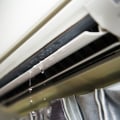
- Water Leaks: If you notice water pooling around your outdoor AC unit, it could indicate a refrigerant leak or a clogged drain line. Both issues require prompt professional evaluation to prevent further damage.
While some minor issues can be resolved with DIY maintenance, many problems require the expertise of a qualified HVAC technician. Regular servicing not only helps in identifying potential issues early but also ensures that your system operates at peak efficiency.In conclusion, being proactive about the health of your outdoor AC unit can save you time and money in the long run. If you’re ever in doubt about the condition of your system, don’t hesitate to call a professional for an inspection.
Step-by-Step Guide to Cleaning Your Outdoor AC Unit
Cleaning your outdoor AC unit is essential for maintaining its efficiency and prolonging its lifespan. Here’s a comprehensive step-by-step guide to help you through the process safely and effectively.Step 1: Gather Your Tools and Safety Gear
- Protective gloves
- Safety goggles
- Soft brush or broom
- Garden hose with a spray nozzle
- Vacuum cleaner with a brush attachment
- Fin comb (optional)
Step 2: Turn Off the Power
Before you begin cleaning, ensure that the power to the AC unit is completely turned off.
Locate the disconnect switch near the unit and turn it off. This is a crucial safety step to prevent any electrical accidents.
Step 3: Remove Debris from Around the Unit
Clear away any leaves, dirt, or debris that may have accumulated around the outdoor unit. This will improve airflow and prevent blockages. Use a soft brush or broom to gently sweep away larger debris.
Step 4: Clean the Fins
The fins on your AC unit can easily become bent or clogged with dirt.
Use a vacuum cleaner with a brush attachment to remove dust and debris from the fins. If you notice any bent fins, carefully straighten them using a fin comb or a flathead screwdriver.
Step 5: Rinse the Unit
Using a garden hose with a spray nozzle, gently rinse the exterior of the unit. Start from the top and work your way down to ensure that dirt flows away from the fins. Avoid using high pressure, as this can damage the fins.
Step 6: Clean or Replace the Filter
If your outdoor unit has a filter, check it for dirt and debris.
Clean it according to the manufacturer’s instructions or replace it if it’s too dirty. A clean filter is vital for optimal performance.
Step 7: Final Check and Power On
After cleaning, inspect the unit for any signs of damage or wear. Once everything looks good, restore power to the unit by turning on the disconnect switch. Monitor its operation for any unusual noises or issues.By following these steps regularly, you can ensure that your outdoor AC unit remains in excellent condition, providing you with efficient cooling when you need it most.
Replacing and Maintaining Filters: A Key Component of AC Care
Maintaining the efficiency of your outdoor AC unit hinges significantly on the condition of its filters.These filters play a crucial role in ensuring that your air conditioning system operates smoothly and effectively. They trap dust, dirt, and other airborne particles, preventing them from circulating through your home and into the AC unit itself. When filters become clogged, they can restrict airflow, leading to increased energy consumption and potential damage to the system.
Importance of Regular Filter Replacement
Regularly replacing your AC filters is essential for several reasons:
- Improved Air Quality: Clean filters help maintain better indoor air quality by reducing allergens and pollutants.
- Energy Efficiency: A clean filter allows for optimal airflow, which can lower energy bills by ensuring the unit doesn’t have to work harder than necessary.
- Extended Equipment Life: By preventing dust buildup within the system, you can extend the lifespan of your AC unit and reduce the likelihood of costly repairs.
How Often Should You Change Your Filters?
The frequency of filter replacement can vary based on several factors, including:
- Type of Filter: Some filters are designed to last longer than others. For instance, HEPA filters may need replacement every 6 to 12 months, while standard fiberglass filters should be changed every 1 to 3 months.
- Usage: If you use your AC frequently or live in a dusty area, you may need to replace your filters more often—potentially every month.
- Household Factors: Homes with pets or residents with allergies may require more frequent changes due to increased hair and dander.
If they appear dirty or clogged, replace them immediately. Setting a reminder on your calendar can help ensure you stay on top of this important maintenance task.
Selecting the Right Filter
When choosing a filter for your outdoor AC unit, consider the following:
- MERV Rating: Look for filters with a Minimum Efficiency Reporting Value (MERV) rating that suits your needs. Higher ratings indicate better filtration but may also restrict airflow if not compatible with your system.
- Material: Filters come in various materials such as fiberglass, pleated fabric, and HEPA. Each has its advantages; for example, pleated filters generally offer better filtration than fiberglass ones.
- Size: Ensure you select the correct size for your AC unit.
Refer to the manufacturer’s specifications or measure the existing filter for accuracy.
Seasonal Maintenance Checklist for Your Outdoor AC Unit
Maintaining your outdoor AC unit is crucial for ensuring its efficiency and longevity. A well-maintained system not only cools your home effectively but also saves you money on energy bills. To help you stay organized, here’s a comprehensive seasonal maintenance checklist that covers essential tasks throughout the year.Spring Maintenance Tasks
- Inspect the Unit: Before the cooling season begins, visually inspect your outdoor AC unit for any signs of damage or wear. Look for bent fins, rust, or debris accumulation.
- Clean the Surrounding Area: Clear away any leaves, dirt, or vegetation within a two-foot radius of the unit.
This ensures proper airflow and prevents overheating.
- Check the Condenser Coils: Gently clean the condenser coils with a soft brush or a garden hose to remove dirt and grime that can hinder performance.
- Replace or Clean Filters: If your system has reusable filters, clean them thoroughly. If they are disposable, replace them with new ones to ensure optimal airflow.
Summer Maintenance Tasks
- Monitor Performance: Keep an eye on your AC’s performance during peak usage. If you notice unusual noises or reduced cooling efficiency, it may be time to call a professional.
- Check Refrigerant Levels: Ensure that refrigerant levels are adequate. Low levels can indicate a leak, which requires immediate attention from an HVAC technician.
Fall Maintenance Tasks
- Schedule Professional Maintenance: Consider scheduling a professional inspection and tune-up before winter sets in.
Technicians can identify potential issues and perform necessary repairs.
- Cover the Unit: If you live in an area with harsh winters, consider covering your outdoor AC unit to protect it from snow and ice damage.
Winter Maintenance Tasks
- Remove the Cover: If you used a cover during winter, remove it in early spring to allow the unit to breathe and prevent moisture buildup.
- Inspect for Damage: After winter, check for any signs of damage caused by snow or ice. Address any issues before the cooling season begins.
Common DIY Repairs for Outdoor AC Units
Outdoor AC units are essential for keeping your home cool during the hot summer months. However, like any mechanical system, they can encounter issues that may require attention.Fortunately, many common problems can be addressed with some basic DIY repairs. Here are a few typical issues homeowners might face and how to troubleshoot them effectively.
1.Insufficient Cooling
If your outdoor AC unit is running but not cooling your home effectively, it could be due to several factors:- Dirty Coils: Over time, the coils can accumulate dirt and debris, which impedes heat exchange. To clean them, turn off the power to the unit and gently brush away any visible dirt. You can also use a garden hose to rinse the coils, ensuring you don’t bend the fins.
- Low Refrigerant Levels: If the refrigerant is low, it may indicate a leak.
While you can check for visible signs of leakage, it’s best to call a professional for refrigerant recharging.
- Blocked Vents: Ensure that all vents in your home are open and unblocked by furniture or other items. This allows for proper airflow and efficient cooling.
2.Noisy Operation
Noisy outdoor units can be bothersome and may indicate underlying issues:- Loose Parts: Check for any loose screws or components that may be causing rattling sounds. Tightening these can often resolve the noise.
- Fan Issues: If you hear a grinding noise, it could be due to a failing fan motor or worn bearings. Inspect the fan for any obstructions and ensure it spins freely.
3.Water Leaks
If you notice water pooling around your outdoor unit, it could be due to:- Clogged Drain Line: A clogged condensate drain line can cause water to back up and leak out of the unit.
Use a wet/dry vacuum to clear any blockages from the drain line.
- Improper Installation: Ensure that your unit is level; an uneven installation can lead to improper drainage.
When to Call a Professional HVAC Technician
While regular maintenance of your outdoor AC unit is essential for optimal performance, there are times when the expertise of a professional HVAC technician is necessary. Understanding when to seek professional help can save you time, money, and potential damage to your system.Signs You Need Professional Help
- Unusual Noises: If your AC unit starts making strange sounds such as grinding, squealing, or banging, it could indicate a serious issue. These noises often suggest that components are worn out or misaligned, which requires professional assessment.
- Inconsistent Cooling: If certain rooms in your home are significantly warmer than others or if the unit fails to cool your space effectively, it may be time to call in an expert.
This inconsistency can stem from various issues, including refrigerant leaks or ductwork problems.
- Frequent Cycling: An AC unit that turns on and off frequently may be struggling with its thermostat or other internal components. This not only affects comfort but can also lead to increased energy bills and further damage if not addressed promptly.
- Foul Odors: Any unpleasant smells emanating from your AC unit should not be ignored. A burning smell could indicate electrical issues, while a musty odor might suggest mold growth within the system. Both scenarios require immediate professional intervention.
- High Energy Bills: If you notice a sudden spike in your energy costs without a corresponding increase in usage, it could be a sign that your AC unit is working harder than it should due to inefficiencies.
A technician can diagnose the problem and recommend solutions.
When to Hire an HVAC Technician
It’s advisable to consult a professional HVAC technician in the following situations:- Annual Maintenance: Even if you perform regular cleaning and filter changes, scheduling an annual inspection with a qualified technician can help identify potential issues before they escalate.
- System Installation or Replacement: If you’re considering installing a new AC unit or replacing an old one, hiring a professional ensures that the system is correctly sized and installed for optimal efficiency.
- Complex Repairs: Some repairs require specialized tools and knowledge that only trained technicians possess. Attempting these repairs yourself can lead to further damage and increased costs.
Energy Efficiency Tips for Your Outdoor AC Unit
Enhancing the energy efficiency of your outdoor AC unit is not only beneficial for your wallet but also for the environment. Here are some practical tips to help you optimize performance and save on energy costs:- Regular Maintenance: Schedule annual professional maintenance to ensure your system is running at peak efficiency.
A technician can clean coils, check refrigerant levels, and identify potential issues before they become costly repairs.
- Keep the Area Clear: Ensure that there is at least two feet of clearance around your outdoor unit. Trim back any shrubs, plants, or debris that could obstruct airflow. Proper airflow is crucial for efficient operation.
- Install a Programmable Thermostat: A programmable thermostat allows you to set specific temperatures for different times of the day. This means you can raise the temperature when you're not home, reducing energy consumption without sacrificing comfort.
- Use Ceiling Fans: Ceiling fans can help circulate cool air throughout your home.
By using them in conjunction with your AC unit, you can set the thermostat a few degrees higher without feeling uncomfortable.
- Seal Ducts and Insulate: Leaky ducts can lead to significant energy loss. Ensure that all ductwork is properly sealed and insulated to prevent cool air from escaping into unconditioned spaces.
- Consider Shade Options: If possible, plant trees or install awnings to provide shade for your outdoor unit. Keeping it shaded can improve efficiency by reducing the amount of heat it absorbs from direct sunlight.
- Upgrade to Energy-Efficient Models: If your AC unit is older, consider upgrading to a model with a higher SEER (Seasonal Energy Efficiency Ratio) rating. Newer units are designed to use less energy while providing better cooling performance.
Not only will this lead to lower energy bills, but it will also extend the lifespan of your system, ensuring that you stay comfortable during those hot summer months.
Conclusion: Keeping Your Outdoor AC Unit in Top Shape Year-Round
In conclusion, maintaining your outdoor AC unit is essential for ensuring its longevity and efficiency. By following the guidelines outlined in this guide, you can significantly enhance the performance of your air conditioning system and reduce the likelihood of costly repairs.Regular maintenance not only keeps your unit running smoothly but also contributes to energy savings. A well-maintained AC unit operates more efficiently, which can lead to lower energy bills. Here are some key takeaways to remember:- Routine Cleaning: Make it a habit to clean your outdoor AC unit at least once a month during the cooling season.
This includes removing debris, leaves, and dirt that can obstruct airflow.
- Filter Replacement: Don’t underestimate the importance of changing or cleaning your HVAC filter every 1 to 3 months. A clean filter ensures better air quality and optimal performance.
- Professional Inspections: Schedule annual professional inspections to catch any potential issues before they escalate. Technicians can identify problems that may not be visible to the untrained eye.
- Clear Surroundings: Ensure that there is adequate space around your outdoor unit. Trim back any vegetation or obstacles that could hinder airflow and efficiency.
- Monitor Performance: Keep an eye on your AC unit’s performance.
If you notice unusual noises, reduced cooling efficiency, or increased energy bills, it may be time to investigate further.